
Nestled on the gentle slopes of Mountain Top, Pennsylvania, the Blytheburn neighborhood is a tapestry woven with rich history, close-knit community spirit, and a deep connection to nature. For longtime residents and new arrivals alike, Blytheburn stands as a quiet testament to the enduring appeal of small-town living—where every street has a story, and every landmark whispers echoes of days gone by.
Origins of Blytheburn: Humble Beginnings
Blytheburn’s story begins in the mid-19th century, during an era when Pennsylvania’s northeastern hills were still cloaked in ancient forests and dotted with small farms. The area, originally part of Newport Township, soon attracted settlers seeking fertile land and economic opportunity. These early pioneers built modest homes along what would become Blytheburn Road, and by the 1850s, the community was blossoming.
How Blytheburn Got Its Name
Local lore suggests the name “Blytheburn” arose from a combination of poetic inspiration and geography. "Blythe," meaning cheerful or pleasant, was reportedly chosen by an early resident fond of Scottish and English literature. “Burn,” the Scottish term for a brook or small stream, fits perfectly, as the neighborhood was—and still is—cradled by the gentle courses of several creeks. Together, “Blytheburn” reflects both the natural beauty and cheerful spirit that have always defined this corner of Mountain Top.
Key Historical Milestones
Blytheburn’s development mirrored the growth of Luzerne County through the 19th and early 20th centuries. With the rise of anthracite coal mining in nearby Wilkes-Barre and Hazleton, new opportunities drew families to Blytheburn. Yet, unlike the bustling industrial centers, this neighborhood maintained a serene, almost pastoral character.
- Establishment of Blytheburn Methodist Church: First constructed in the late 1800s, the Blytheburn Methodist Church quickly became a social and spiritual hub. Its simple steeple and modest white facade have welcomed generations on the corner of Blytheburn Road and Church Street.
- Expansion of Blytheburn Lake: The creation of Blytheburn Lake in the early 1900s was intended primarily for recreational use by Mountain Top families. The lake, accessible by Blytheburn Lake Road, soon became a summer retreat for boating, picnicking, and community gatherings, a tradition that lingers today.
Notable Landmarks and Historic Sites
Blytheburn is dotted with landmarks that reveal its storied past, each adding a layer of character to the neighborhood.
- Blytheburn Lake: The centerpiece of the neighborhood, this serene body of water still hosts the Blytheburn Lake Association’s annual picnic, one of the area’s most beloved traditions.
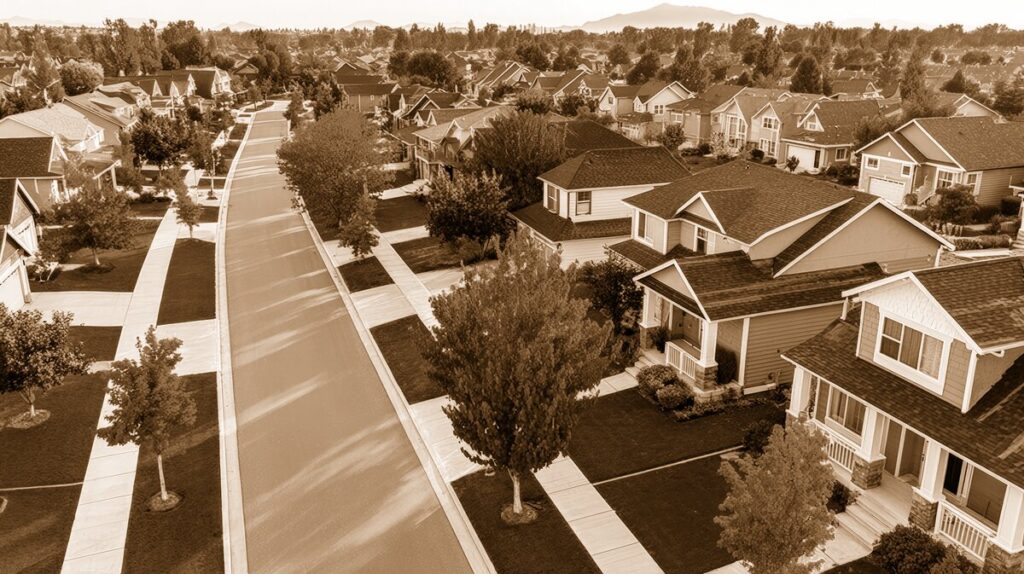
- Historic Residences: Winding down Blytheburn Road, you’ll find several homes dating back to the early 20th century. These charming houses, many lovingly restored, feature wraparound porches, clapboard siding, and lush gardens.
- The Old Blytheburn Bridge: Spanning a quiet creek on what locals call “the Hollow,” this unassuming stone bridge dates back nearly a century. It’s a favorite backdrop for family photos and legendary tales of childhood adventures.
- St. Jude’s Parish: While technically just outside Blytheburn’s heart, St. Jude’s on Elmtree Road has long served neighborhood families, hosting events from summer fairs to Christmas concerts.
Evolution Through the Decades
Blytheburn’s journey through the 20th and 21st centuries is one of gentle evolution rather than dramatic change. As Mountain Top’s popularity grew after World War II, new residents began building cozy homes along Country Club Road, Church Road, and surrounding lanes. The sense of community never faded—instead, longtime traditions blended with new voices.
The Suburban Boom
The postwar period saw Blytheburn, like much of Mountain Top, blossom into a commuter-friendly suburb. Proximity to Route 309 gave residents easy access to Wilkes-Barre and Scranton, yet the neighborhood retained its peaceful, rural charm.
Modern-day Blytheburn
Today, Blytheburn is cherished for its quiet streets, safe neighborhoods, and proximity to nature. Blytheburn Road remains a favorite for evening strolls, especially in the fall when maples and oaks set the hills ablaze with color. Local children still attend the storied schools of Crestwood School District, and the annual fish fry at the Blytheburn Methodist Church draws families from near and far.
Community Spirit: What Makes Blytheburn Special
Ask any resident what defines Blytheburn, and you’ll hear about the warmth of its community. Neighbors look out for one another, lending a hand during winter storms or sharing the bounty of backyard gardens in summer. Seasonal events—from Halloween hayrides to festive lighting displays in December—bring everyone together in celebration.
The neighborhood has embraced change while fiercely preserving its heritage. Efforts to protect local greenspaces and maintain historic properties remain strong, ensuring that Blytheburn’s unique character will endure for generations to come.
Blytheburn’s Enduring Charm
Blytheburn is more than a spot on the map; it’s a living chronicle of Mountain Top’s rich regional tapestry. Whether you’re exploring its quiet lanes or attending a lakeside gathering, you’re part of a tradition that spans centuries.
From its cheerful name to its historic lake and welcoming streets, Blytheburn is a community that wears its heritage with pride and invites all who wander in to call it home.